What happens to your event data after the event?

As an event organiser, you know that events generate a considerable amount of data. You know who registered, who attended and which sessions people selected. You also have information about meetings, lead scans and evaluations. Then a strange gap often appears. The data exists, but it does not automatically become part of your marketing and sales processes.
Your event data comes from all over the place: the attendee list is exported, attendance sits in the event platform and session data is stored somewhere else. Sales receives an Excel file. When someone asks what the event ultimately contributed, the puzzle begins. For many organisations, this is where the data challenge becomes visible.
There is no clear data flow from registration to follow-up.
Event registration is only the beginning
Registration is often treated as an operational process: someone completes a form and joins your event's attendee list. Yet that form already captures information that will matter later. Think of company and job title, segment or audience, interests, session selections, ticket or event type, consent, and the campaign or invitation source. Decide in advance which information marketing and sales will want to use afterwards.
Registration is not the same as attendance
Someone who registers but does not attend is different from someone who is actually there. In practice, that distinction is not always reflected in the CRM, marketing automation or follow-up.
As a result, someone who never attended may receive exactly the same follow-up as someone who spent a full day at your event. Attendance is therefore an important next data point for event organisers: for event reporting, but also for sales follow-up, no-show analysis, segmentation, event attribution and evaluation.
Attendance is not yet engagement
Your attendee's presence only tells part of the story. Two people may both have checked in but show very different levels of interest. One leaves after an hour. The other attends a product session, speaks to a sales colleague, books a meeting and says in the evaluation that they would like more information. Those are different signals.
Engagement can include sessions attended, meetings, lead scans, conversations with sales and completed evaluations. For some organisations, combining these signals into an engagement score is useful: an internal model for identifying which attendees offer more potential for follow-up.
Which data belongs in the event platform and which in the CRM?
Not all event data needs to be in the CRM. The event platform is the logical place for event-specific and operational data, while the CRM supports the longer-term relationship with a contact or account. The challenge for event organisers is deciding which event data is commercially relevant enough to pass on.
After an event, sales often receives a list of names. Context is much more useful: did this person actually attend, which sessions did they attend, did they speak to sales, was a lead scan made? That information determines whether follow-up stays generic or becomes relevant.
At a broad relationship-building or thought leadership event, attendance is mainly an attribution touchpoint. At a product- or service-focused event, a combination of attendance, session participation and interests may provide a reason to create or influence a sales opportunity. That is why you need to define your event's commercial role in advance.
From engagement to attribution
When events form part of a longer buyer journey, you can include them in multi-touch attribution. An engagement score helps distinguish between different types of registrants and attendees. Marketing and sales should design this model together.
Lead capture does not have to start after the event
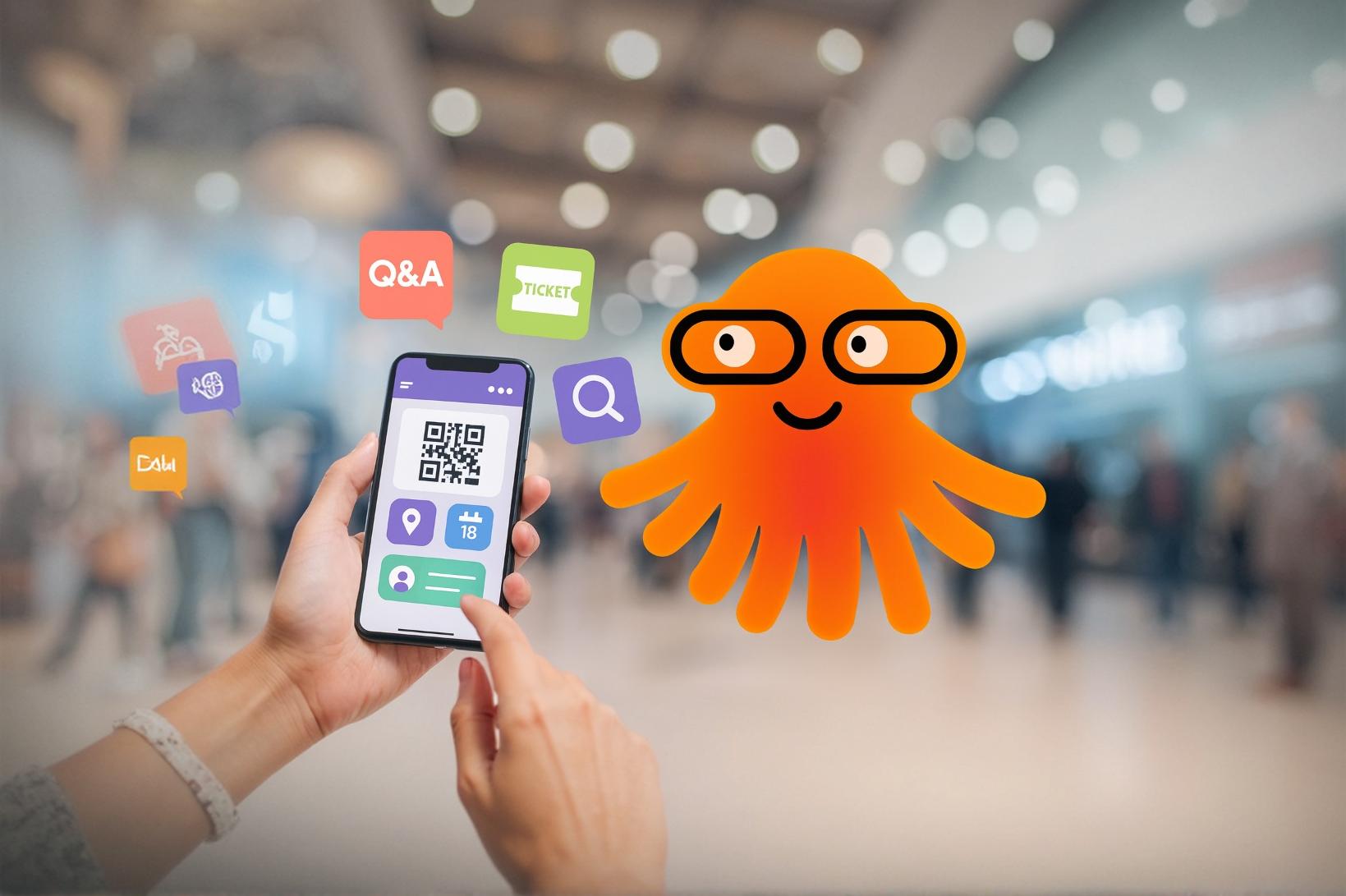
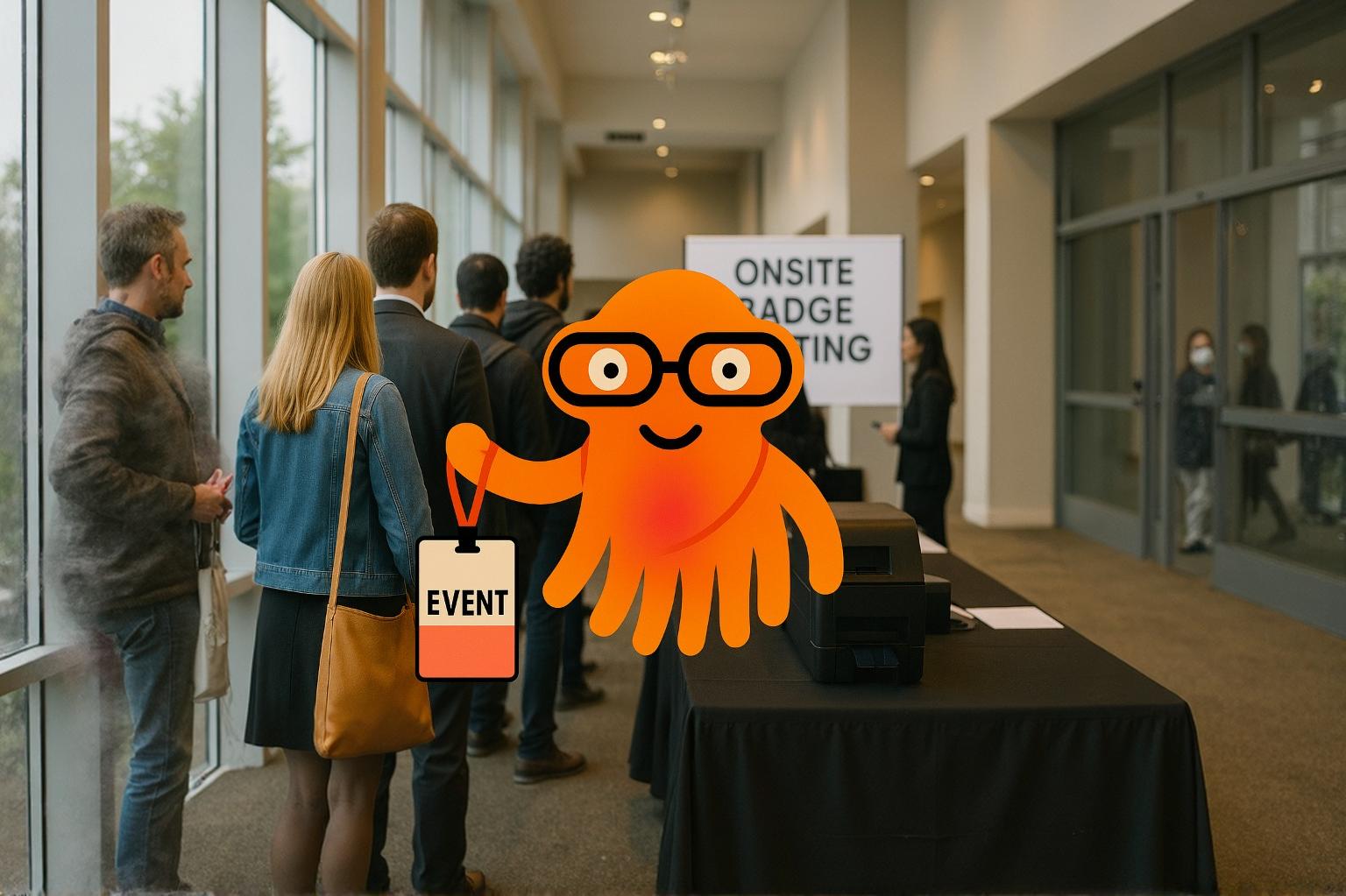
A great deal of qualification already happens during the event. This can take place through a lead scanning app, or through a CRM form behind a QR code. That QR code might be printed on a badge. After a conversation, a sales colleague scans it, completes the qualification fields and sends the information straight to the CRM.
The same approach works in presentations: put a QR code on the final slide so attendees can immediately request a demo, consultation, download or another next step. This connects a content moment directly to a measurable action.
Use your evaluation form as an intent signal
An evaluation form becomes more useful when it includes relevant follow-up questions: would you like to learn more about this topic, speak with someone on our team, find out about product or service X, or attend a future event? Conditional questions also make the event evaluation more relevant.
A prospect then receives different questions from an existing customer. Someone who attended a particular session receives a follow-up question about its content, while a high session rating leads to a relevant call to action. Evaluation becomes both feedback and an intent signal.
Event ROI and the full chain
The difficulty with event ROI is that much of the data remains disconnected. Afterwards, someone has to reconstruct manually what happened. You do not need to build a perfect revenue attribution model immediately.
Start with six questions:
- Who registered?
- Who attended your event?
- What did that person do?
- Which commercial signals did you see?
- What follow-up was started?
- Which opportunity or pipeline was influenced?
When that chain works well, event impact becomes more measurable, step by step.
Event data becomes valuable when relevant information flows through:
Registration → Attendance → Engagement → Follow-up → Impact.
As an event organiser, you need to decide before the event which information you will need afterwards.
Want to know which data from your events is already useful for marketing, sales and follow-up? Lively helps event teams connect registration, attendance, engagement, integrations, CRM and reporting in one data flow.
More Trends, developments and news